Navigating the Legal and Financial Side of a Death in Family Home Sale
Losing a family member is hard enough without the weight of deciding what to do with the house they left behind. I have sat across the kitchen table from more than a few heirs who were still processing the loss, and the last thing they needed was a crash course in probate, property disclosure, and tax assessment. Yet here we are. If you are staring at a house that now belongs to you and your siblings, or you have been named executor of an estate, you are likely feeling the pressure to act fast. That is where the phrase "death in family home sale" starts to carry real weight. It is not just a real estate term. It is a situation where emotion, money, and legal duties collide.
First Steps After the Deed Transfer
The moment a deed transfer happens, whether through a will or through probate court, the property is no longer your loved one's. It belongs to the estate or to the heirs named in the documents. If you are the executor, you carry a fiduciary duty to manage the property in the best interest of the beneficiaries. That means you cannot just let the place sit. You have to think about insurance, utilities, property taxes, and potential liability if someone gets hurt on the premises. I have seen families let a house sit empty for months, only to discover that the homeowners insurance lapsed and a pipe burst. That kind of damage turns a manageable situation into a crisis.
One of the first practical steps is to get a clear picture of the property's condition. You need a home appraiser to establish a baseline value, and you also need a repairs cost estimate if the house has been neglected. Many homes that come through an inheritance have not been updated in years. The roof might be original from the 1980s. The HVAC system might be on its last legs. Knowing what you are dealing with helps you decide whether to list traditionally, sell as-is to a real estate investor, or pursue a time-sensitive sale through a cash offer company.
Understanding Probate and Your Timeline
Probate can drag on for months or even years, depending on the complexity of the estate and whether anyone contests the will. During that period, the house is in limbo. You cannot sell it until the court grants you the legal authority to do so, but you also cannot ignore it. If the property is in a state that requires a formal probate process, you will likely need to post a bond, file an inventory of assets, and get court approval before any sale. Some states have a simplified process for small estates, but the rules vary widely. I once worked with a family in Florida where the probate took over eighteen months because the deceased had property in two states. They had to pay property taxes, insurance, and maintenance the entire time, all while the house sat empty.

If you are dealing with a death in family home sale, it is worth consulting an estate planning attorney early. They can tell you whether you need to go through probate at all, and they can help you understand any inheritance tax that might apply. In many cases, the tax assessment for property tax purposes will be reassessed when the property changes hands, which can increase the annual tax bill for the new owners. That is something many heirs do not anticipate.
Tax Implications You Cannot Ignore
One of the biggest financial surprises in an estate sale is the capital gains tax. Under current tax law, if you inherit a home, you receive what is called a step-up in basis. That means the tax basis of the property becomes its fair market value on the date of death. If you sell it shortly after inheriting, you may owe little or no capital gains tax. But if you hold it for several years and it appreciates, the gain above that stepped-up basis is taxable. There is also a capital gains exclusion if you have lived in the home for two of the last five years, but that only applies if you make the property your primary residence after inheriting it. For most heirs who do not move in, the exclusion does not apply.
Some states also impose an inheritance tax on the value of the property you receive, separate from any federal estate tax. The rules depend on the state where the deceased lived and the state where the property sits. A tax professional can help you figure out whether you owe anything and whether a homestead exemption might reduce the bill. Do not assume that just because you are a family member, you are exempt. I have seen families lose thousands of dollars because they failed to file the right paperwork on time.
The Emotional Weight of Letting Go
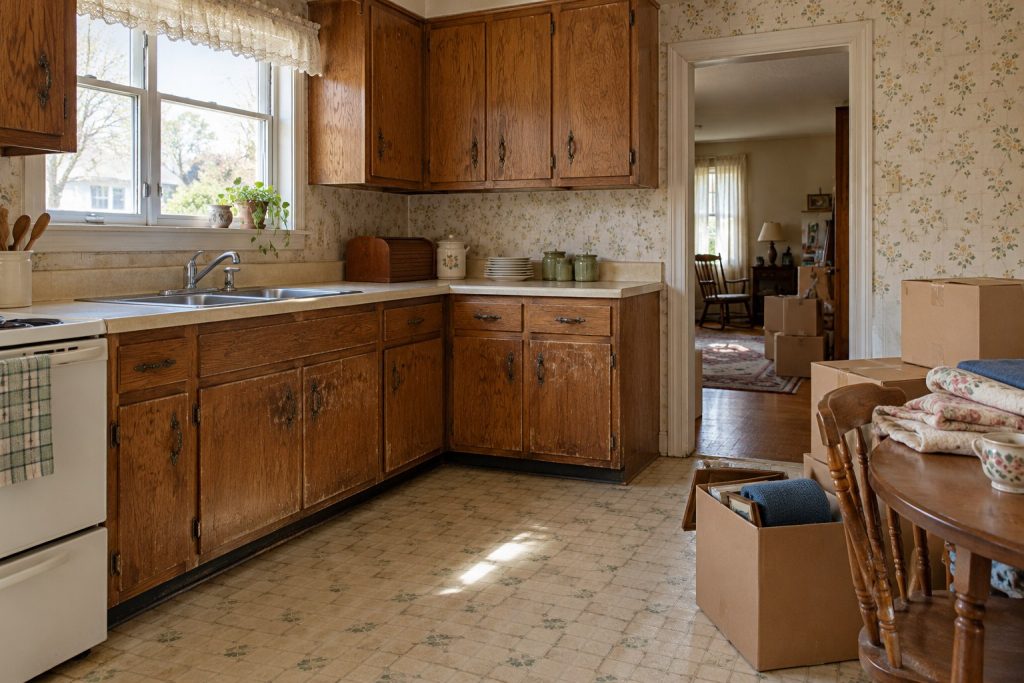
Beyond the legal and financial side, there is the emotional attachments piece. A childhood home holds memories. It is where holidays were spent, where a parent's voice still echoes in the hallway. Making the decision to sell can feel like a betrayal, even when it is the only practical choice. I have seen siblings fight over whether to keep the house as a vacation rental, only to realize that the carrying costs are eating up their inheritance. The tension between sentiment and practicality is real. That is why a cleanout service can be a lifesaver. Hiring professionals to clear out decades of belongings is not just about logistics. It creates a clean break, a moment where the house stops being a museum of someone else's life and becomes a property that can be sold.

If you are the one managing the process, be honest with your siblings or co-heirs about the financial reality. Show them the repair estimates, the property tax bills, and the carrying costs. Let them see the numbers. Often, the emotional resistance melts when people realize that keeping the house is costing them money they cannot afford.
Weighing Your Options: Traditional Sale vs. As-Is Sale
Once you have a handle on the legal and tax picture, you have to decide how to sell. A traditional sale through a real estate agent can work if the house is in good shape and you have time to wait for the right buyer. But most inherited homes need work. If the property has deferred maintenance, outdated systems, or just a lot of clutter, a traditional listing might attract lowball offers anyway. You also have to factor in the cost of making the house market-ready, which can include painting, flooring, landscaping, and possibly a complete kitchen or bath update.
An as-is sale to a real estate investor or a cash-buying company can be faster and less stressful. You do not have to make repairs. You do not have to clean out the garage. You get a cash offer, often within a week, and you can close on the buyer's timeline. The trade-off is that the offer will typically be lower than what you might get on the open market. But when you subtract the repairs cost estimate, the real estate agent commission, the carrying costs for months of waiting, and the stress of showings and inspections, the net proceeds can end up being pretty close. I have seen families choose the cash offer route simply because they needed to close the estate and move on with their lives. For them, the certainty and speed were worth the discount.
Property Disclosure and Legal Liability
If you do sell through a traditional agent, you will have to fill out a property disclosure form. You must disclose any known defects, whether it is a foundation crack, a leaky roof, or even a buried oil tank. If you never lived in the house, you might not know about these issues, but you are still liable for what you do know. An as-is sale does not eliminate your duty to disclose material defects, but it does shift the risk to the buyer in many states, because the buyer is agreeing to take the property in its current condition. An experienced real estate investor will usually do their own inspection and rely on their own due diligence, which can protect you from future claims.
One thing I always tell families is to get everything in writing. If you hire a cleanout service, get a contract. If you get a cash offer, read the fine print. If you are working with a real estate agent, understand the commission and the listing terms. The estate is a legal entity, and any mistakes you make can come back to haunt you personally, especially if you are the executor.
Final Thoughts on a Difficult Process
A death in family home sale is never just a transaction. It is the end of an era and the beginning of a new one. The best thing you can do is arm yourself with knowledge. Understand the probate timeline. Get a tax assessment from a professional. Know your fiduciary duty to the other heirs. And give yourself permission to make a business decision, even when it feels personal. The house is a piece of real estate. The memories live in you, not in the drywall. Selling the property does not erase the life that was lived there. It just lets you move forward without the weight of a house you cannot afford to keep.